Long-distance enhancer-promotor coupling
How the genome is regulated to express the correct genes in space and time is essential for the development of complex multicellular organisms. Key to this regulation are genetic switches termed enhancers, which are DNA sequences that are crucial to activate genes that drive development from fruit flies to humans. Some of these enhancers are located surprisingly far apart from the gene that they regulate, even millions of base pairs away (Figure 1). How long-range communication between enhancers and gene promoters is achieved is unclear.
Increasing evidence suggests that cohesin plays a key, yet poorly understood, role in enhancer-promoter communication. Cohesin is a molecular motor protein that extrudes loops of DNA to shape chromosomes in 3D. An intriguing hypothesis is that cohesin-driven loop extrusion can bring a remotely located enhancer in close proximity to a promoter to initiate transcription of a gene (Figure 2 and Movie 1). We are using a single-molecule biophysics approach to directly test this hypothesis, and investigate the mechanisms by which cohesin enables enhancer-promoter communication.
Direct visualization and quantificiation of enhancer-promoter encounters
To study long-range enhancer-promoter communication we are using a powerful in vitro visualization assay that was established in our group (Ganji et al., 2018). This single-molecule approach allows for the direct visualization of DNA loop extrusion by individual cohesin complexes on individual DNA molecules in real time. Using DNA molecules with integrated enhancer-promoter sequences and relevant cofactors, we are dissecting how cohesin may relocate enhancers to their target promoters and aiming to obtain a quantitative understanding of the dynamics of such physical encounters.
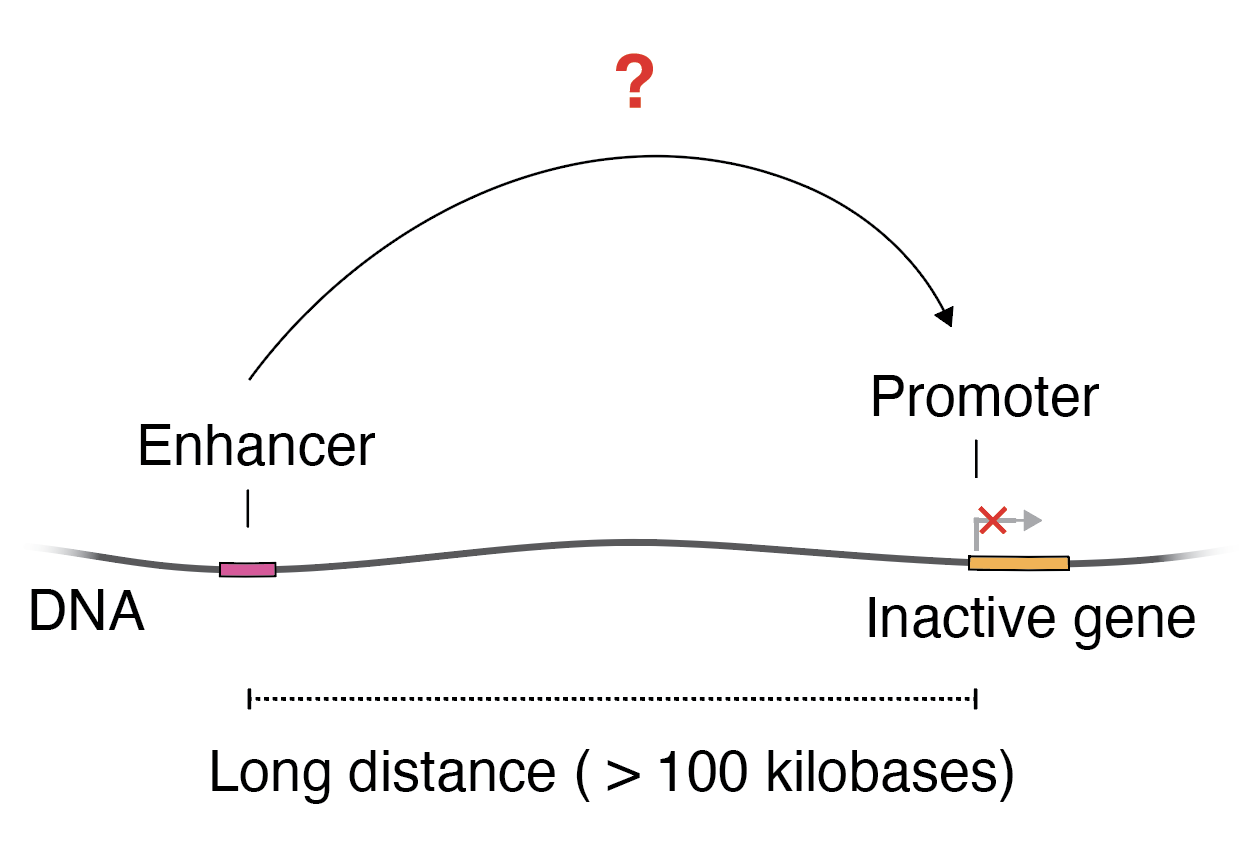
Figure 1: Enhancers may be located far away from the promoters they regulate.
Movie 1: Illustrative model
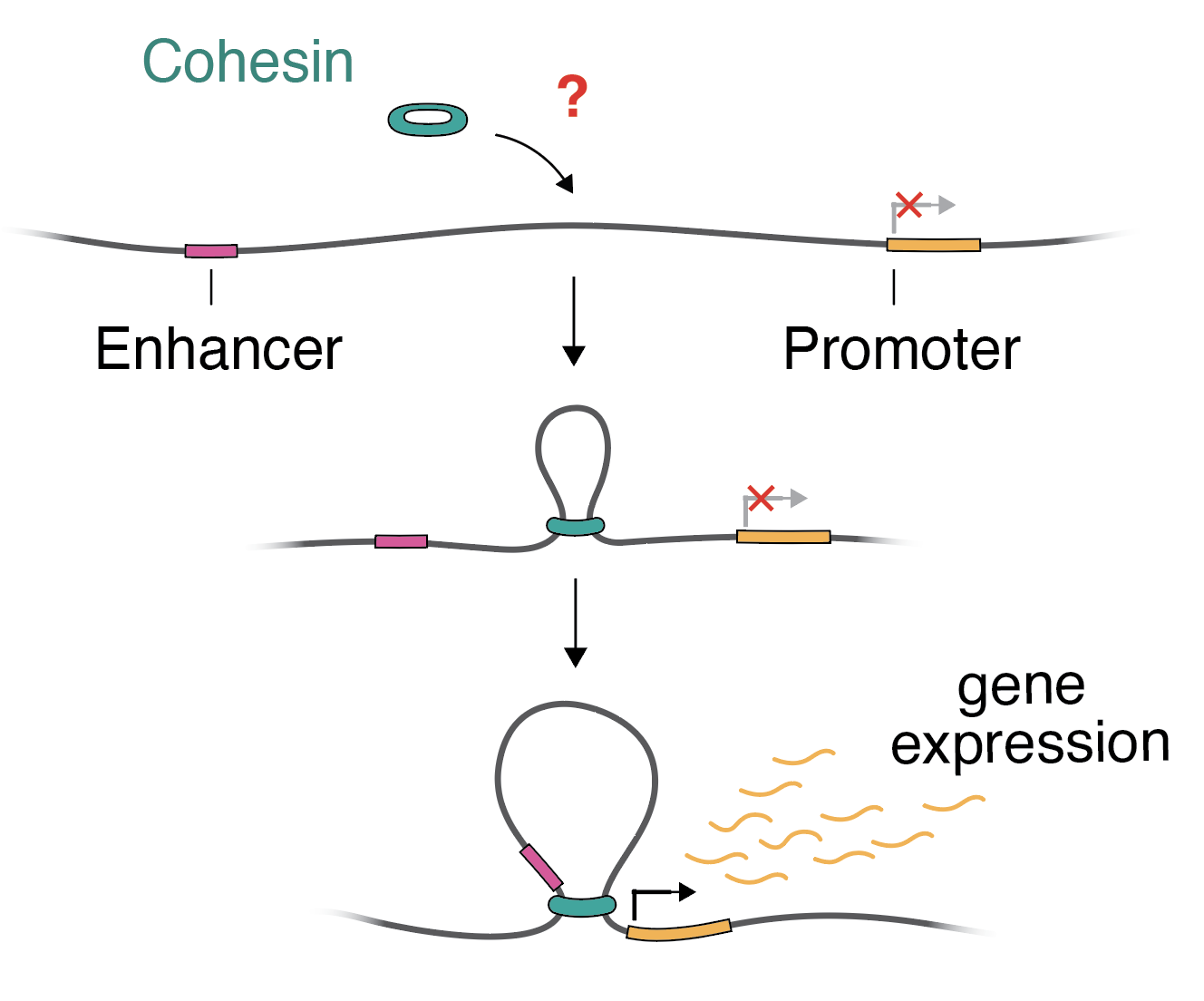
Figure 2: Model for how cohesin-mediated loop extrusion may relocate long-distance enhancers to their target promoters.